How to Plan a Successful Team-Building Event for Staff
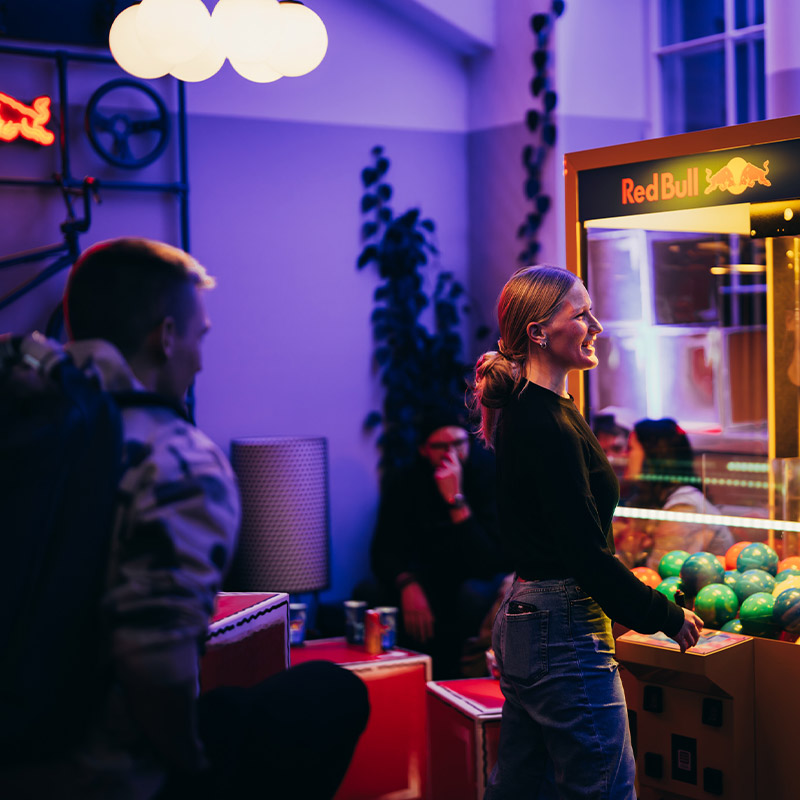
Planning a successful team recreation event starts with clear goals and continues through activity selection, budgeting, execution, and measuring success. The key is that the event responds to your specific team’s needs, not some generic manual’s instructions. Below we go through all the essential questions in order.
What elements does a successful team recreation event include?
A successful staff recreation event combines shared activities, a clear program, and a space where people can genuinely relax. It differs from an ordinary meeting in that the focus is on interaction and creating positive experiences, not on going through agenda items. At its best, it strengthens team spirit, reduces stress levels, and increases work motivation.
Research shows that staff events are valued especially for social relationships. Studies on recreation days have found that getting to know colleagues and a sense of community repeatedly emerge as the most important reasons to participate. This is a good reminder that the activity doesn’t need to be spectacular, as long as it gives people a reason to be together.
In practice, a functional recreation event is built around a few core elements:
- Shared activities that require no prior skills but reward participation
- A clear structure so that participants know what to expect without the program feeling too rigid
- A space that supports the atmosphere, whether that’s a sauna, a game room, or an outdoor area
- Freedom of choice so that both social and quieter personalities find their own place
Long-term effects are concretely visible: regular recreation activities reduce sick leave, decrease staff turnover, and strengthen the employer brand. It’s not just about having fun, but about a measurable investment.
How do you choose the right theme and activities for a staff event?
The right theme and activities are found by answering three questions: what is the goal of the event, who is participating, and what do people themselves want to do. Without clear answers to these, you easily end up with an activity that suits someone but no one in particular. Defining goals guides all other choices.
Start by mapping your team’s wishes. A short survey or open discussion before planning quickly reveals whether the group wants competitive activities, relaxed time together, or something entirely new. Participatory planning increases commitment even before the event itself, not just during it.
Think about the goal first:
- Strengthening teamwork is best suited to activities requiring cooperation, such as gaming tournaments or problem-solving tasks
- Rewarding works best with experiences that can’t be arranged on your own, such as professional-level driving simulators or a private entertainment venue
- Getting to know each other works best with loosely guided activities where natural encounters occur
Group size also matters a lot. A smaller team suits a more intimate experience, such as a private poker and board game room or a driving simulator room where three professional-level simulators keep everyone busy. For a larger group, you need several parallel activities to keep waiting times under control and energy high throughout the evening.
Cave Showroom, located in Otaniemi, Espoo, is a great example of a venue that solves this challenge upfront: a gaming hall, driving simulator room, lounge, sauna, poker and board game room, and a customizable Open Space all operate in parallel, so everyone finds their own thing without anyone missing out.
How much does organizing a team recreation event cost?
The cost of a recreation event varies from a few hundred euros to several thousand, depending on group size, venue, activities, and how much you outsource. A good rule of thumb is to first budget for the venue and program framework, then supplement with food, drinks, and possible staff. With larger groups, fixed costs are spread more widely and the per-person cost drops noticeably.
A concrete example: individual rooms at Cave Showroom can be rented separately, such as the gaming hall for two hours or the driving simulator room for a private session. Booking the entire event space on weekday mornings is in a different price range than a Friday evening private event. Prices can be found directly on the booking page, and basic cleaning is always included in the rental.
When planning a budget, it’s worth remembering two things that many people forget:
- Taxation: According to the Tax Administration’s guidelines, ordinary and reasonable recreation activities organized by an employer for all staff are a tax-free benefit for employees and a fully deductible expense for the company as a personnel cost.
- Cancellation terms: It’s worth making the reservation well in advance and checking the cancellation terms beforehand, so that unexpected changes don’t become costly.
Realistic budgeting also means calculating the time your own staff spend on planning. The more you outsource, the fewer hours are taken from your team’s calendar.
Should you organize the recreation event yourself or outsource it?
For a small team day among familiar faces, organizing it yourself may be sufficient. But when there are more than ten participants, the event involves technology or special arrangements, or when you want the event to truly succeed, outsourcing is usually the smarter choice. Professional event production frees you from logistics and lets you be present at your own event.
One often underestimated factor is time. Organizing a mid-sized corporate event typically requires tens of working hours spread over several weeks. Those hours are away from your core work, and if the arrangements still fail, you’ve used resources without result.
The benefits of outsourcing in brief:
- Ready-made supplier networks and negotiating power that you don’t have
- The ability to anticipate problems before they arise
- One point of contact throughout the entire chain from concept to execution
- Professional staff on site on the event day
Self-organized booking works when you simply want to rent a venue and arrange the program yourself. Full event production is worthwhile when you want a complete package where everything works without you having to worry about the details. We have experience with both, and we help you choose the right approach for your situation. For event inquiries, feel free to get in touch with us.
How do you measure the success of a recreation event?
The success of a recreation event is measured on two levels: immediate feedback right after the event and long-term effects, such as changes in atmosphere and engagement over the following months. Measurement is worth planning before the event, not afterwards, so you know what to follow.
The quickest way to gather information is a short feedback survey after the event. Keep it concise: a few questions about the atmosphere, the activities, and whether the participant would recommend a similar event. Feedback is worth collecting soon while the experience is fresh, and using it directly in planning the next event.
Long-term effects can be monitored by observing:
- The development of sick leave in the months following the event
- The results of job satisfaction surveys, especially items measuring community and atmosphere
- Staff turnover over a longer period
The foundation of all this is that goals have been clearly defined already in the planning phase. If the goal was to improve teamwork, you measure teamwork. If the goal was to reward the sales team and recharge batteries, you measure how energetic and motivated people are after their return. A clear goal makes measuring straightforward, and success is easier to justify to management as well.
Want to plan a recreation event that people will remember? Check out our references or get in touch with us — we’ll take care of the rest.